Compare Local Contractors for Gas Line Capping Services
Compare local contractors for gas line capping to define project scope, verify experience, and set clear expectations for a successful job.
Gas line capping services typically involve sealing off a gas line that is no longer in use or needs to be safely disconnected. This work often includes inspecting the existing piping, ensuring proper closure to prevent leaks, and verifying that the cap is securely installed to meet safety standards. Properly capped gas lines help prevent potential hazards such as gas leaks or accidental discharges, making it an important step in property modifications, renovations, or decommissioning of gas appliances.
Clearly defining the scope of gas line capping work is essential for property owners to ensure the project meets safety and compliance expectations. A detailed scope should specify which lines are to be capped, the methods to be used, and any necessary inspections or tests. Having this information in writing helps avoid misunderstandings, ensures all parties are aligned on the work involved, and provides a reference point for any future questions or issues that may arise during or after the job.
When comparing local contractors for gas line capping, property owners should consider experience and the types of projects they have handled. It’s helpful to verify that contractors are familiar with local codes and standards related to gas line work. Additionally, reviewing the scope of services offered, requesting detailed written proposals, and checking references or past project examples can assist in assessing a contractor’s reliability and professionalism. Taking these steps can lead to a clearer understanding of what to expect and help identify the service providers best suited to handle the specific needs of the property.
Compare local contractors by outlining your project priorities, verifying experience, and setting clear expectations in writing.
- Compare Contractors - review multiple service providers to find the right fit for your gas line capping needs.
- Define Scope Clearly - specify the work required to ensure all parties have aligned expectations.
- Verify Experience - check the background and expertise of local contractors to ensure quality work.
- Get Written Agreements - document the scope, responsibilities, and expectations to avoid misunderstandings.
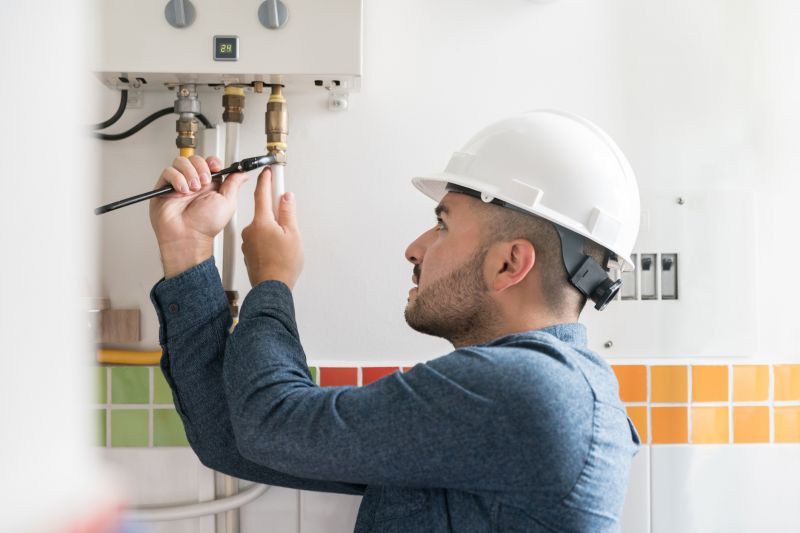
Clearly describe your gas line capping project upfront to help compare local contractors, define scope, and verify experience.
- Verify experience and expertise of local contractors handling gas line capping jobs. Ensure scope of work is clearly defined and documented before work begins.
- Compare multiple service providers to assess their approach and level of professionalism. Confirm that contractors follow proper procedures for safely capping gas lines.
- Request detailed written estimates that outline the scope of work and materials to be used. Clarify any questions regarding the process and expectations upfront.
- Check references or reviews to gauge the reliability and quality of previous gas line capping projects. Make sure all work is documented in writing to avoid misunderstandings later.
- Discuss and agree upon the project scope, including any necessary permits or inspections, in the written contract. Ensure the contractor’s approach aligns with safety standards and local regulations.
Use this opportunity to compare local contractors, clarify project scope, and verify their experience.
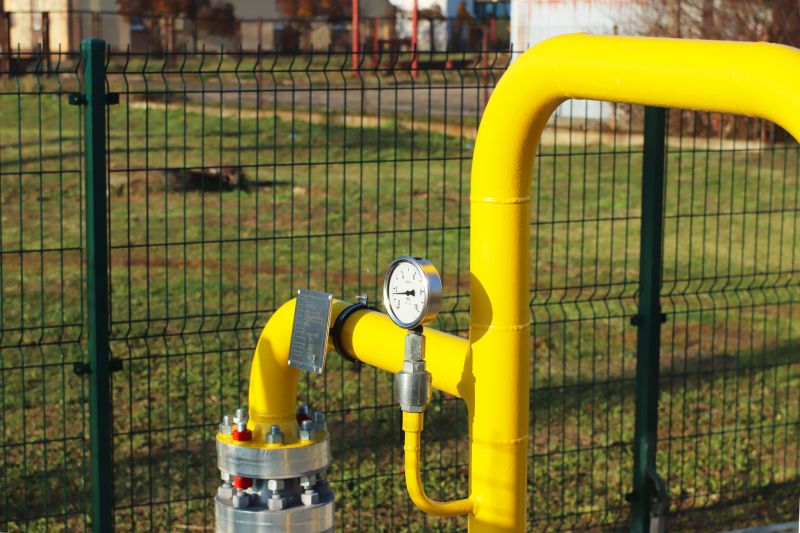
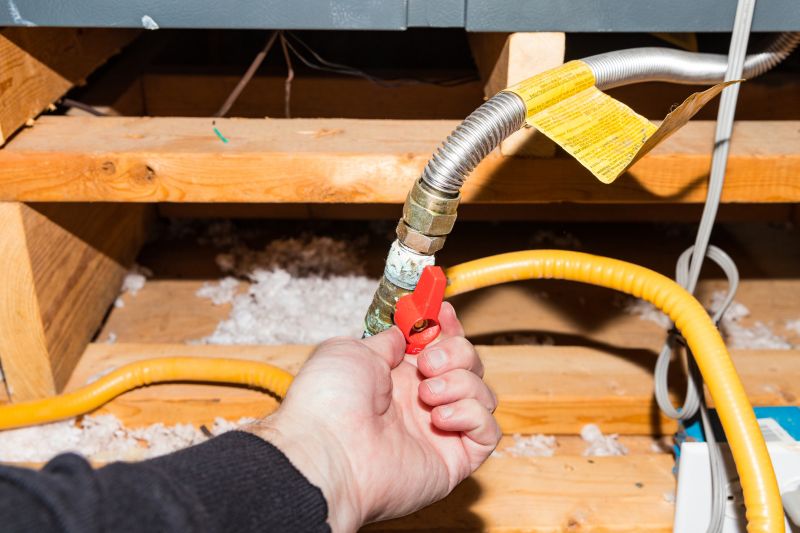
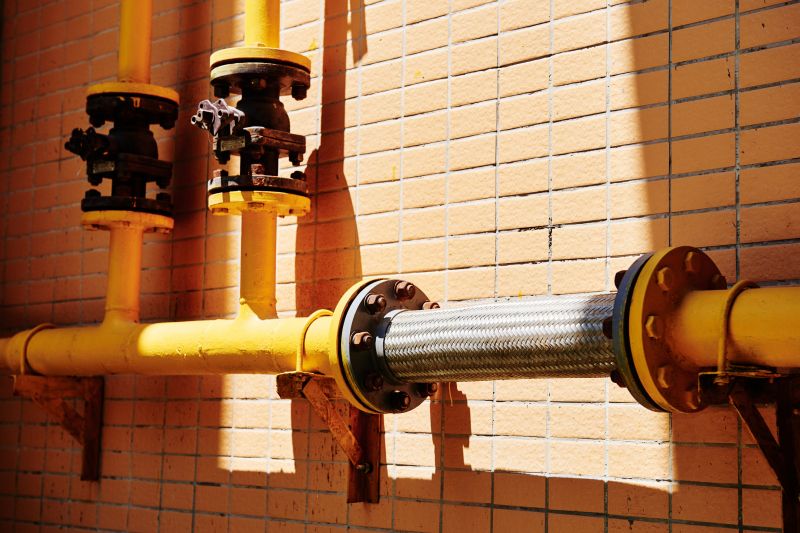
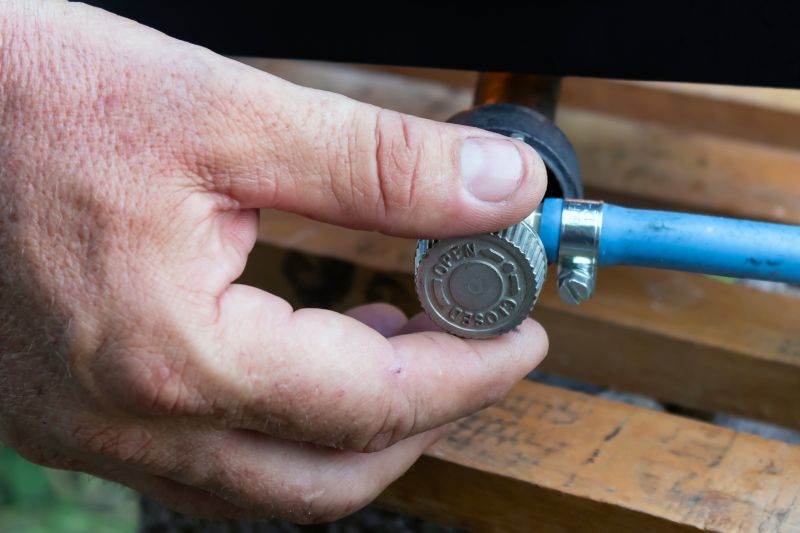
Learn how to compare local contractors for gas line capping by defining scope, verifying experience, and setting clear expectations.
- Scope of Work - Clearly define the specific tasks involved in capping the gas line to ensure mutual understanding.
- Material Specifications - Specify the type and quality of materials to be used for the gas line cap.
- Experience and Expertise - Verify that the service provider has relevant experience with gas line capping projects.
- Written Agreement - Document the scope, materials, and expectations in a detailed written contract.
- Permits and Regulations - Confirm that the contractor adheres to local codes and obtains necessary permits if required.
When comparing contractors for gas line capping, it is important to assess their experience with similar projects. Homeowners should inquire about the types of gas line work the service providers have handled in the past, ensuring they have a history of safely and effectively capping gas lines in residential settings. Contractors with a proven track record in this specific service are more likely to understand the nuances involved and deliver reliable results. Reviewing their experience can help establish confidence that the contractor is familiar with local codes and best practices relevant to gas line termination.
A clear, written scope of work is essential when evaluating potential service providers. Homeowners should seek detailed descriptions of what the project entails, including the steps involved in capping the gas line, any necessary site preparations, and the expected outcomes. Having a well-defined scope helps prevent misunderstandings and ensures that both parties share the same expectations. It also provides a basis for comparing different contractors’ proposals, making it easier to identify the most comprehensive and transparent options available.
Verification basics involve confirming that the contractor has the necessary knowledge and methods to safely and properly cap the gas line. Homeowners should ask how the service provider plans to verify that the line is properly sealed and no residual pressure remains. Clarifying the procedures used to confirm the job’s success-such as pressure testing or visual inspections-can help ensure the work will meet safety standards. While licensing and certification are not discussed here, understanding the contractor’s approach to verification is a key part of evaluating their professionalism and attention to detail.
Evaluating options without focusing on prices involves assessing the quality and clarity of each contractor’s proposal. Homeowners should compare how thoroughly each service provider explains their process, the scope of work, and their approach to safety and verification. It’s also helpful to consider the contractor’s reputation, references, and local experience. By focusing on the scope of work, experience, and verification methods, homeowners can make better-informed decisions that prioritize quality and reliability, helping to select a service provider best suited for the specific needs of the gas line capping project.
Ask contractors to provide written scope details to ensure clarity and consistency throughout the gas line capping project.
- Scope of Work - What specific tasks and responsibilities are included in the gas line capping service?
- Experience and Qualifications - How can contractors demonstrate their experience with gas line capping projects?
- Material and Method - What methods and materials will the contractor use to ensure a secure and compliant cap?
- Scope Clarification - Are there any additional services or work that should be clarified in the scope before proceeding?
- Written Agreement - How will the scope and expectations be documented in the service agreement?
What should be included in a scope of work for gas line capping? A clear scope of work should specify the extent of the capping process, materials to be used, and any additional work required. Comparing contractors based on detailed scope descriptions helps ensure consistency and clarity in the project.
How can I verify the experience of a contractor for gas line capping? Check for references, reviews, or project portfolios that demonstrate previous work on gas line capping. Asking service providers about their experience with similar jobs can also help in assessing their expertise.
Why is it important to get written estimates and agreements? Written estimates and agreements help set clear expectations, define the scope of work, and prevent misunderstandings. Comparing these documents across different contractors can aid in selecting the most suitable service provider.
What factors should I consider when comparing local contractors for gas line capping? Consider their experience, reputation, clarity of the scope of work, and the level of detail in their written proposals. Ensuring they understand your specific needs is key to a successful project.
How can I ensure a contractor understands the scope of my gas line capping project? Clearly communicate your requirements and ask for a detailed, written scope of work. Confirm that the contractor’s proposal aligns with your expectations before proceeding.
What questions should I ask a contractor before hiring for gas line capping? Inquire about their experience with similar projects, request references, and ask how they define the scope of work. Clarifying these points helps ensure the contractor can meet your needs effectively.
This page has provided an overview of what to consider when selecting contractors for gas line capping, including how to define the scope of work, verify experience, and ensure clear communication through written agreements. Understanding these key points can help in making informed decisions and setting appropriate expectations for the project. To explore options and compare local service providers, using the quote form can connect you with experienced contractors in your area who are prepared to handle the job.
Taking the time to evaluate and compare local contractors can lead to finding the right professional for your gas line capping needs. Utilizing the quote form allows for straightforward access to multiple service providers, helping to facilitate a well-informed selection process.